Column · @reidquro387
How to Choose Sauce That Complements Cheese Pizza
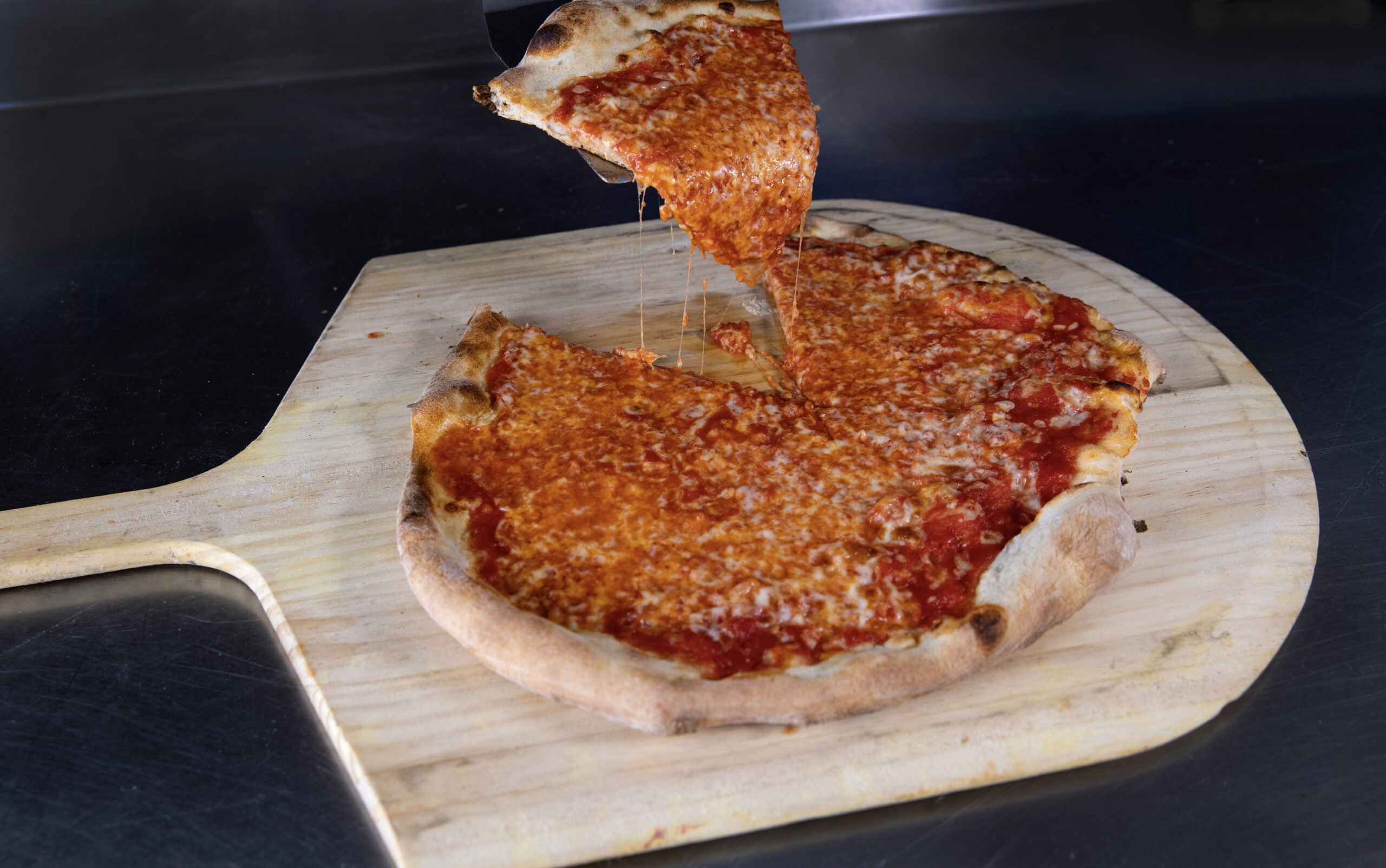
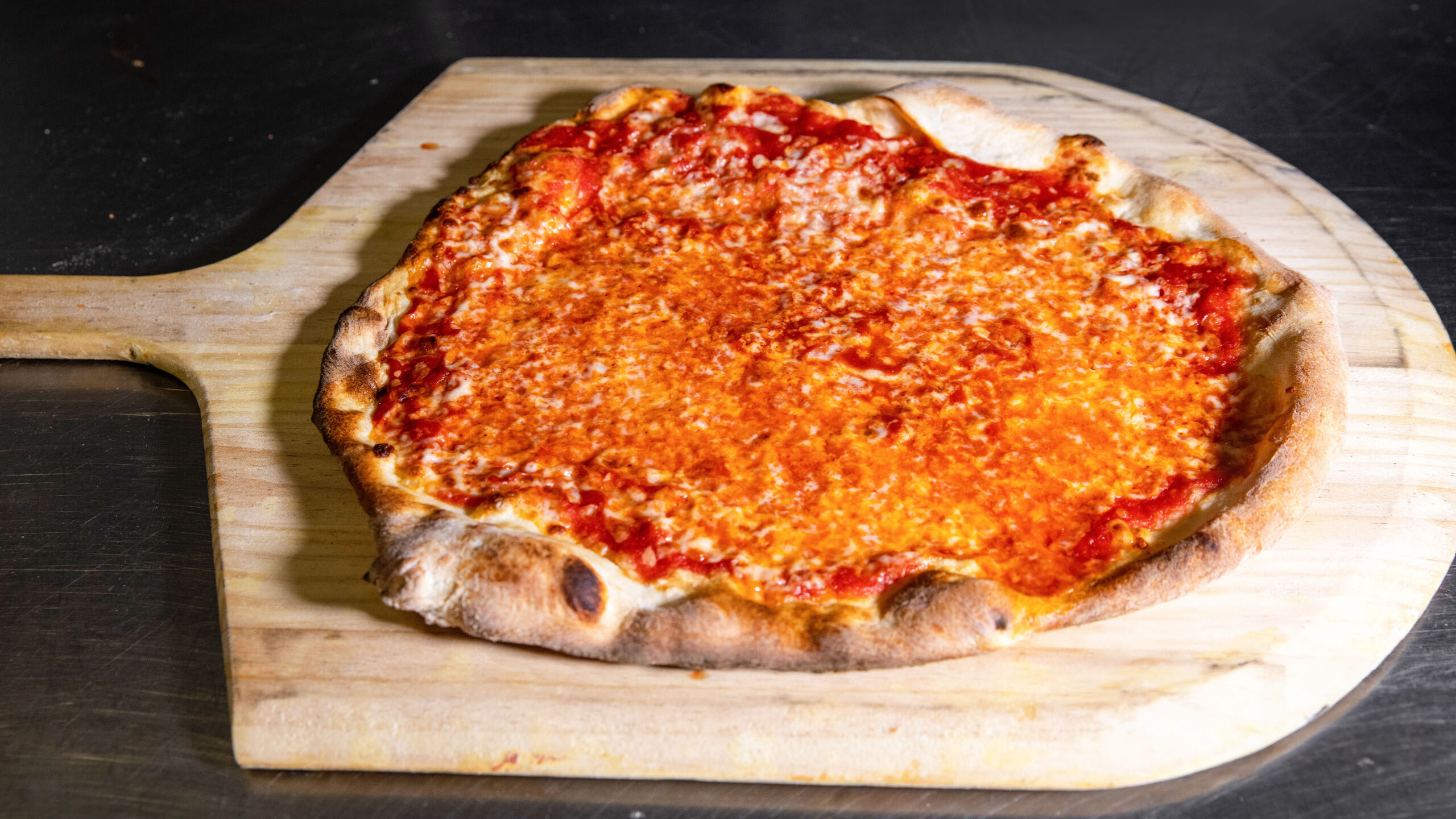

Cheese pizza looks simple, which is exactly why sauce matters so much. When toppings are minimal, every element stands in full view. The crust brings texture and toast. The cheese delivers fat, salt, and stretch. The sauce has to do several jobs at once: cut richness, add depth, support the dairy, and stay in the background enough that the pizza still reads as cheese first.
That balance is harder to strike than many people expect. A sauce that tastes excellent by itself can flatten on the pie. A sauce that seems too sharp from the spoon can become perfect once it sits under mozzarella and comes out of a hot oven. After enough time around pizza ovens, home stones, and sheet pan bakes, you start to notice the same pattern: the best sauce for cheese pizza is not necessarily the boldest sauce. It is the one that creates contrast without competition.
The key is to think less about sauce as a standalone recipe and more about sauce as part of a system. Cheese pizza rewards restraint, proportion, and attention to how heat changes flavor.
What cheese pizza needs from sauce
A good cheese pizza sauce should brighten the pie without making it taste raw or sour. Cheese, especially low-moisture mozzarella, brings mellow fat and a gentle milky sweetness. Fresh mozzarella adds even more moisture and a cleaner dairy note. In both cases, the sauce has to carry acidity and aromatics, but it also needs enough body to avoid disappearing.
This is where many sauces miss the mark. Some are over-seasoned, packed with garlic powder, sugar, oregano, basil, onion, and chili flakes until they taste like pasta sauce reduced for hours. Others are so plain that the pizza eats like hot bread and melted cheese with little contrast. The sweet spot sits somewhere in the middle: bright tomato character, moderate seasoning, enough salt to wake everything up, and a texture that spreads easily without soaking the dough.
If Cheese Pizza you have ever eaten a slice where the cheese felt heavy by the third bite, the sauce was probably too timid. If you have eaten one where all you remember is sharp tomato and dried herbs, the sauce was likely too assertive. Cheese pizza asks for harmony, not volume.
Start with the style of pizza, not the sauce recipe
Before choosing a sauce, decide what kind of pizza you are making. The same sauce will not perform equally well on a thin New York style pie, a Neapolitan pizza, a pan pizza, and a tavern-style crust.
A Neapolitan-style cheese pizza usually wants a very simple, uncooked tomato sauce. Crushed tomatoes, salt, and perhaps a little hand-torn basil are often enough. The reason is practical as much as traditional. These pizzas bake fast, often in 60 to 90 seconds in very high heat. The sauce does not have time to reduce much, so starting with a fresh, clean tomato flavor works beautifully. Heavy seasoning would feel clumsy here.
A New York style cheese pizza benefits from slightly more concentration. It bakes longer than Neapolitan pizza, and the slice is often larger and more structured. A sauce with a bit more body, modest garlic, restrained oregano, and a balanced acidity tends to support that style well. It should still taste like tomato first, but it can handle more nuance.
Pan pizza and Detroit-style pizza can tolerate a richer, deeper sauce because the crust has more heft and often more oil-driven flavor. The caramelized edges and thicker crumb can stand up to a sauce with more cooked sweetness or more pronounced herbs. Even then, there is a limit. If the sauce tastes like a stew, it can make the pizza feel muddy.
Tavern-style or thin cracker-like crust is its own challenge. Because the crust is dry and crisp, the sauce needs enough moisture to prevent the whole slice from eating harshly, but not so much that it destroys the snap. Smooth texture matters here. Large tomato chunks can create an uneven bite.
This is why “best sauce” questions rarely have one answer. Cheese pizza only seems universal. In practice, the ideal sauce depends heavily on crust style, bake time, and cheese choice.
Tomato choice makes the biggest difference
When people focus only on seasoning, they skip the most important decision. The tomato itself shapes the sauce more than anything else. The variety, ripeness, packing liquid, and processing all affect sweetness, acidity, and body.
Canned whole peeled tomatoes usually offer the most control. You can crush them by hand, pulse them briefly, or mill them to the consistency you want. Good canned tomatoes often give you a cleaner flavor than many jarred pizza sauces, which can lean sweet or metallic. Crushed tomatoes are convenient, but some brands are thinner or more aggressively processed. Tomato puree creates a smoother, more uniform sauce, though it can feel less lively if used alone.
Fresh tomatoes can work, but they are less reliable for pizza unless they are in peak season and properly drained. Out of season, fresh tomatoes often bring too much water and not enough flavor. For most home cooks and many professionals, quality canned tomatoes are the smarter choice nine months out of the year.
There is also the question of sweetness. Some tomatoes naturally skew sweet. Others are sharper and more mineral. For cheese pizza, a slight natural sweetness is welcome because it rounds out acidity and helps the sauce feel complete without added sugar. That said, sweetness should come from the tomato whenever possible. Sugar can rescue a harsh batch, but it should be a correction, not the identity of the sauce.
One small but useful habit is to taste the tomato before you season it. If it is already balanced, do very little. If it is aggressively acidic, you can soften it with a brief cook or a tiny pinch of sugar. If it tastes flat, salt is usually the first fix, not more herbs.
Raw sauce versus cooked sauce
This choice changes the personality of the pizza more than many people realize.
Raw sauce keeps the tomato vivid and direct. It tends to taste brighter, slightly fruitier, and more immediate. On a fast-baked cheese pizza, that freshness can be ideal. It gives the cheese something lively to play against. Raw sauce also preserves a cleaner separation of flavors. You can still identify crust, dairy, and tomato as distinct elements.
Cooked sauce feels rounder and deeper. Simmering drives off water, integrates aromatics, and softens acidity. It can be a better fit when your oven runs cooler, when your pizza bakes longer, or when you want a more classic pizzeria profile. A cooked sauce is also helpful if your tomatoes taste a little green or sharp right out of the can.
Neither is universally superior. The better question is what your cheese pizza needs.
A simple rule of thumb works well:
- Use raw sauce for high-heat, quick-bake pies where freshness matters.
- Use lightly cooked sauce for New York style or home oven pizzas that bake longer.
- Use more reduced sauce for pan pizzas and thicker crusts that need stronger flavor.
- Avoid long-cooked, heavy pasta-style sauce unless the crust and cheese are robust enough to carry it.
One of the easiest mistakes in a home kitchen is overcooking sauce because reduction feels productive. For cheese pizza, too much reduction can turn the tomato jammy and steal the brightness that keeps the pie balanced.
Acidity is not the enemy
A lot of people try to tame tomato sauce until it loses its edge. On cheese pizza, that edge is useful. Cheese needs acidity. Without it, the pizza becomes soft in every sense, soft texture, soft flavor, soft finish. Acidity sharpens the overall experience.
The goal is not low acid. The goal is controlled acid.
You want enough brightness that the first bite feels alive, but not so much that the sauce tastes sour after baking. This is why sauce often tastes a touch more acidic before it goes on the dough than it does on the final pie. Once paired with warm cheese and crust, that sharpness settles into place.
If your sauce tastes harsh, do not immediately reach for sugar. First ask what kind of harshness you are tasting. If it is simply under-seasoned, salt may solve it. If it is watery and thin, a brief simmer may help. If it tastes metallic, the issue may be the tomatoes themselves. If it tastes bitter, too much dried herb or burnt garlic may be the culprit.
Sugar has a place, but a small one. In most good tomato sauces for cheese pizza, it should be barely perceptible.
Herbs and aromatics should support, not dominate
Cheese pizza is where oregano can either shine or ruin the whole pie. The same goes for garlic.
Dried oregano gives many American pizza sauces their familiar aroma, but it becomes loud very quickly. A small pinch can frame the tomato nicely. Too much and the sauce starts tasting dusty, especially after a longer bake. Basil is gentler, particularly when used fresh, but it can disappear if added too early or if the sauce cooks for a long time.
Garlic needs even more care. Raw garlic in a raw sauce can taste hot and aggressive unless it is used sparingly and finely processed. Lightly cooked garlic is often safer for most cheese pizza applications. Garlic powder creates a different effect, more uniform and less sharp, but it can make the sauce taste generic if overused.
Onion is similar. A little onion powder or very gently cooked onion can add sweetness and depth, but a pronounced onion note often distracts from the clean profile cheese pizza wants.
A helpful test is to smell the sauce before tasting it. If the first aroma is oregano or garlic instead of tomato, you may already be pushing too far.
Texture changes the bite
Flavor gets most of the attention, but texture decides how the sauce behaves on the dough and how the slice eats in the hand.
Cheese PizzaFor cheese pizza, sauce should be spreadable, cohesive, and thick enough to stay put. If it runs, it can soak the crust and create pale patches where cheese slides. If it is too thick, it spreads unevenly and creates pockets of concentrated flavor. Those pockets may seem appealing until one bite is all tomato and the next has none.
A moderately smooth texture usually works best. Very chunky sauce competes with the clean melt of cheese. Completely homogenized sauce can feel flat, but it is often better than a watery, uneven crush. Many experienced pizza makers land somewhere in between, with small bits of tomato suspended in a smooth base.
The amount of sauce matters just as much as the consistency. Most home pizzas improve when people use less sauce than they think. A thin, even layer lets the cheese and crust stay defined. Over-saucing does not make a cheese pizza more flavorful. It often makes it heavier and less coherent.
Match the sauce to the cheese
Not all cheese pizza is built on the same dairy profile, so the sauce should adjust.
Low-moisture mozzarella is mellow, salty, and reliable. It pairs well with classic red sauce that has moderate acidity and a touch of herb. This is the familiar pizzeria balance most people expect from cheese pizza.
Fresh mozzarella has more water and a cleaner, milky taste. It often does best with a simpler sauce, less cooked, less sweet, and less seasoned. The freshness of the cheese can clash with a dark, heavily reduced sauce.
Provolone or mozzarella-provolone blends bring more tang and more savory depth. With that combination, you can keep the sauce slightly cleaner and less salty because the cheese is already doing more work.
Parmesan or pecorino added over the top introduces extra salt and umami. If you plan to finish the pie that way, pull back on salt in the sauce. This is a small adjustment, but it keeps the overall pizza from tipping into harshness.
One memorable example from a test bake involved two nearly identical pies. Same dough, same oven, same sauce volume. The only difference was the cheese. One used low-moisture mozzarella alone, the other used fresh mozzarella with a dusting of pecorino. The first wanted a bit more oregano and salt in the sauce. The second tasted better when the sauce was almost bare, just tomato, salt, and a little olive oil. Same category of pizza, very different ideal sauce.
When olive oil helps, and when it gets in the way
A little olive oil in sauce can round the edges and help flavors carry across the palate. It can also make the sauce feel silkier. On some New York style or home oven cheese pizzas, that effect is welcome.
Too much oil, though, blunts the tomato and adds heaviness under already rich cheese. If the dough is well-fermented and the cheese is generous, the pizza probably does not need a sauce enriched with much fat. On lighter, quicker sauces, olive oil is best treated as seasoning, not structure.
The same goes for finishing oil on top of the pie. A drizzle can be excellent, particularly if the sauce is bright and the cheese is clean. But if the pizza already has oily cheese or a pan-fried edge, extra oil can make the slice feel greasy rather than luxurious.
Common mistakes that throw off cheese pizza sauce
Some problems show up again and again, especially in home kitchens where sauce gets judged before it is baked.
- Over-seasoning the sauce so it tastes finished in the bowl rather than balanced on the pie.
- Using too much sauce, which softens the crust and buries the cheese.
- Chasing low acidity instead of controlled acidity.
- Choosing watery tomatoes and expecting reduction alone to fix them.
- Treating pizza sauce like pasta sauce, with too much sweetness, too much garlic, or too long a simmer.
That last point deserves emphasis. Pasta sauce is designed to coat noodles and often stand on its own. Cheese pizza sauce is one voice in an ensemble. It should be clear, but it should not try to sing the whole piece by itself.
Practical ways to decide what sauce is right
If you are serious about improving cheese pizza, side-by-side testing will teach you more than any recipe note. Make one batch of dough and divide your sauce approach in half. Use the same cheese, same bake time, same oven position. Try a raw version on one pie and a lightly cooked version on another. Or compare a plain tomato-and-salt sauce with one that includes garlic and oregano.
Pay attention to what changes after baking, not what you liked from the spoon. This is where many preferences get recalibrated. The sauce that seemed boring before baking often becomes the one that best frames the cheese. The sauce that tasted exciting in the bowl often feels noisy once the pie is assembled.
Also watch how the sauce performs structurally. Did it spread evenly? Did it seep into the crust? Did it stay bright? Did it support the center slice or create a wet middle? Good sauce for cheese pizza is not just about taste. It is also about behavior.
If you order from different pizzerias with a critical eye, you will notice the same lessons in the wild. Some places build their reputation on exceptional dough but use a sauce that fades into the background. Others have a deeply seasoned sauce that works on a slice with pepperoni but overpowers plain cheese pizza. The best cheese slices usually come from shops that understand restraint.
A reliable profile for most cheese pizzas
When people ask what generally works, I point them toward a sauce profile rather than a strict formula. Aim for good canned tomatoes, medium thickness, moderate salt, light herb use, and either no sugar or only enough to smooth out an aggressive batch. If you use garlic, keep it in the background. If you cook the sauce, do it briefly, just long enough to soften rough edges and thicken slightly.
That profile will not be perfect for every style, but it is hard to go badly wrong with it. It respects the central truth of cheese pizza, which is that the sauce should sharpen the pie, not dominate it.
For a home oven, where pizzas often bake longer and cooler than in professional settings, a lightly cooked sauce tends to be especially forgiving. It gives you some concentration without sacrificing freshness. For very high heat ovens, a raw sauce often produces the cleanest result. For pan pizzas, a thicker and slightly deeper sauce can hold its own against the crust.
None of these are rigid rules. They are starting points shaped by how cheese, dough, and heat interact in practice.
The final test is the second slice
The first bite of cheese pizza can flatter almost any sauce. Hot cheese covers a lot of flaws. The second slice tells the truth.
If the pizza feels heavier as you eat, the sauce may lack enough acidity. If your palate gets tired halfway through, the sauce may be too sweet or too seasoned. If the cheese seems bland, the sauce may be too weak to create contrast. If the whole pie tastes like oregano and garlic by slice two, the sauce is shouting.
A well-chosen sauce keeps the pizza interesting from edge to center, first slice to last. It gives cheese pizza shape and energy. It helps the crust taste more baked, the cheese taste more milky, and the whole pie taste more complete.
That is really the standard to chase. Not the boldest sauce, not the trendiest, not the one with the longest ingredient list. Just the one that makes cheese pizza taste most like itself, only better.
Brooklyn Pizza
1647 Arapahoe Ave
Boulder, CO 80302
+1 720-328-2324
FAQ About Cheese Pizza
What type of cheese is used on a cheese pizza in Boulder, CO?
The cheese varies by pizzeria. Brooklyn Pizza uses whole-milk mozzarella made in-house on its standard pies and offers a plant-based cheese option for vegan pizza. Ask the shop directly about ingredients if you have a dietary restriction.
How many slices are in a large pizza in Boulder, CO?
Slice count depends on how the shop cuts the pie. Brooklyn Pizza lists a 16-inch large pizza. If you are ordering for a group, call to confirm the number of slices or ask whether a smaller cut is available.
What is New York style pizza in Boulder, CO?
New York-style pizza usually has a thin crust and wide slices that can be folded. A classic cheese slice pairs tomato sauce with mozzarella. Brooklyn Pizza serves New York-style pizza by the slice and as whole pies.